

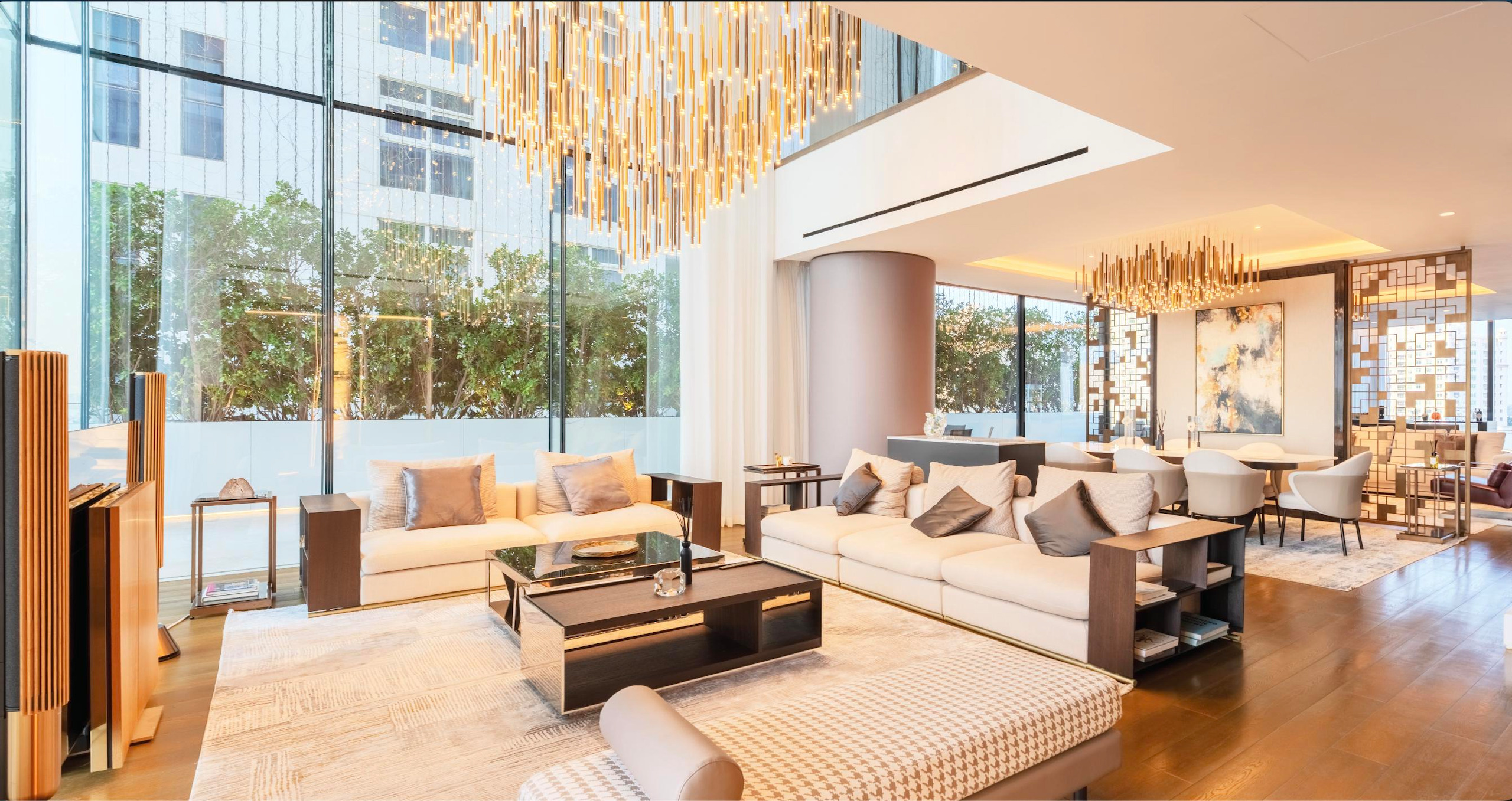
What if the most valuable square meter in real estate wasn’t defined by location—but by identity?
In 2026, “luxury” in Dubai is no longer just about finishes, views, or amenities. It is about association. Branded residences have transformed from a niche offering into one of the most powerful drivers of high-value real estate investment—commanding premiums of up to 30% simply for the name attached.
The Rise of the Branded Asset
From fashion houses like Armani and Elie Saab to automotive icons like Bugatti and Mercedes-Benz, global names are now embedded into Dubai’s skyline—especially across Business Bay and the Dubai Water Canal.
These are not just residences. They are extensions of globally trusted brands into real estate.
Why the "Brand" Matters in 2026
1. Trust as a Hedge
For an international investor sitting in London or New York, off-plan purchasing carries inherent uncertainty.
However, when a name like The Ritz-Carlton is attached, it significantly reduces perceived risk.
A brand is no longer just marketing—it is due diligence by reputation.
2. Service as the New Standard
Branded residences have redefined expectations.
They are no longer “homes with amenities”—they are hotel-serviced ecosystems:
-
24/7 concierge and valet
-
Private chefs and in-residence dining
-
Dedicated lifestyle managers
Luxury today is not ownership. It is effortless living.
3. Retention Value in Market Cycles
According to global real estate reports, branded residences consistently outperform non-branded luxury assets—holding value up to 25% better during downturns.
This is where branding shifts from aesthetic appeal to financial strategy.
This is not just a Dubai story.
Historically, branded residences in cities like New York, London, and Miami have demonstrated stronger resilience and price stability. A widely cited example is the expansion of branded hospitality-led residences post-2008, where assets linked to established hotel groups recovered faster than standalone developments.
Dubai has simply accelerated and perfected this model.
Backed by regulatory frameworks from the Dubai Land Department and rising global demand, branded residences are now a core segment of the UAE’s luxury property market.
In 2026, one destination stands out: Dubai Creek Harbour.
Positioned as the “New Downtown,” it offers:
-
Waterfront luxury living
-
A growing portfolio of branded developments
-
Proximity to future infrastructure and lifestyle hubs
For investors seeking long-term value with lifestyle appeal, this is becoming a focal point.
Branded residences are also quietly influencing how people work and live:
For professionals:
-
Elevated living environments aligned with executive lifestyles
-
Ideal for remote work and global mobility
For HR leaders and global firms:
-
High-end housing solutions for relocating senior talent
-
Enhances employer branding and talent retention
Luxury real estate is no longer separate from career strategy—it is part of it.
As Bernard Arnault famously said:
"Luxury is the only sector that can allow you to make luxury margins."
In real estate, that principle now applies not just to developers—but to investors.
In a world flooded with options, trust, identity, and experience have become the ultimate currencies.
Branded residences sit at the intersection of all three.
Final Thought
The question is no longer: “Is this property luxurious?”
It is: “What does this property represent—and how will that hold its value over time?”
If you are exploring Dubai’s luxury real estate market, now is the moment to look beyond traditional assets.
Align with brands, understand the long-term value, and invest where identity meets performance.