

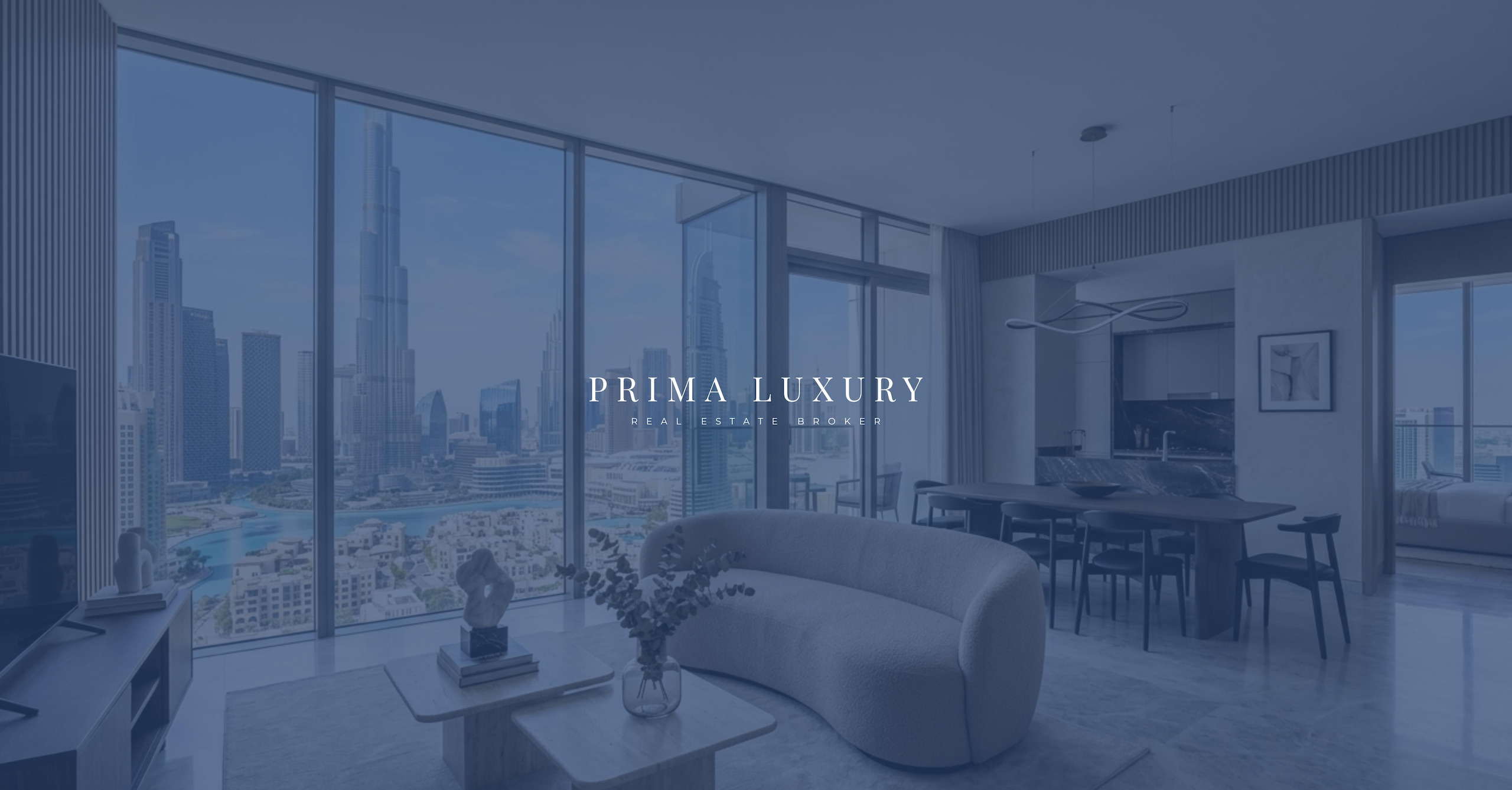
For the past few years, the playbook for maximizing Dubai real estate ROI was spectacularly simple: buy a prime apartment, furnish it to look like an Architectural Digest spread, list it on a holiday home platform, and watch the premium cash flow roll in.
But step into the 2026 rental market, and you’ll notice the vibe has completely shifted. The post-pandemic hyper-growth party has wound down, replaced by a mature, stabilized economy. Today, a growing number of institutional landlords and private investors in Dubai's most sought-after urban hubs are doing something that would have sounded crazy two years ago: they are willingly ditching the Airbnb hustle and rushing back to traditional, one-year contracts.
This phenomenon, The Great Rental Divergence , is turning the old playbook on its head. It is driven by a brutal reality check on the hidden costs of short-term rentals and an unprecedented surge in Dubai’s traditional "base rents."
The math is changing, and the smart money is moving. Here is why.
1. The Short-Term Saturation Point
The holiday home model relies entirely on two things: premium nightly rates and high occupancy. But by early 2026, the sheer volume of short-term inventory in master communities hit a tipping point. Walk through any prime residential or corporate district, and almost every high-rise is packed with identical studio and one-bedroom holiday homes competing for the same tourists and business travelers.
When supply explodes, daily rates take a hit.
Simultaneously, landlords are waking up to the exhausting operational friction of running what is essentially a mini-hotel. Net margins are being eaten away by three silent profit-killers:
-
-The Agency Cut: Full-service holiday home management agencies take a massive 15% to 20% bite out of gross revenues just to handle bookings, check-ins, and guest turnovers.
-
-The "Instagram Tax": The constant rotation of transient guests accelerates wear and tear. If your apartment doesn’t look flawless online, it doesn't get booked. Replacing scuffed furniture, broken appliances, and stained linens is a constant, expensive tax.
-
-The Utility Bill Bleed: Unlike traditional tenants, short-term guests don't pay for DEWA, AC cooling, or high-speed internet. Landlords absorb these rising utility bills entirely out of pocket, regardless of whether the property is occupied or empty.
When you factor in the inevitable "dead days" between bookings, that flashy gross yield starts to look incredibly skinny.
2. The "Residency-First" Wave
While the ceiling on short-term premiums is flattening, the floor of the traditional market has risen dramatically. Dubai is currently experiencing a profound demographic shift: the city has gone from a transient stopover to a permanent home.
Driven by expanded Golden Visa pathways, corporate tax introductions, and a highly stable global environment, multinational executives, tech founders, and families are moving to Dubai with the intention of staying for the long haul.
This has triggered a critical shortage of high-quality, long-term residential units in central districts. Because supply for dedicated long-term family units hasn't kept pace, traditional "base rents" have climbed steadily, narrowing the gap between short-term and long-term income.
3. The Math: The Short-Term Hustle vs. The Long-Term Play
To see the divergence in action, look at how a typical high-end 2-bedroom apartment in a prime Dubai location stacks up in today's market.
Under the short-term hustle, your revenue is volatile and heavily exposed to seasonality. You are constantly hunting for guests, dealing with a 10% to 20% annual vacancy rate, and paying top-dollar for constant deep cleans and platform fees. The wear and tear is relentless as suitcases bang against walls every few days.
Now look at the traditional alternative. A corporate tenant signs a one-year contract, registers their own utilities, and handles routine minor maintenance. For the landlord, the drama disappears. Management fees drop to near-zero, utility bills vanish from your dashboard, and vacancy risk drops to a flat 0% for the next 12 months. The income is locked in, and the operational headaches evaporate.
The Verdict for 2026 Investors
There is an old real estate proverb that feels incredibly relevant right now: "Cash flow is king, but stability is the emperor." In the hyper-yielding years of 2022 to 2024, chasing volatility for maximum short-term cash was a winning strategy. But in a matured 2026 market, yield optimization is about protecting your net margins, not just bragging about your gross revenue.
As holiday home saturation chips away at short-term profits, the surging demand from Dubai’s new permanent resident class offers a lucrative, low-stress alternative. For property owners looking to protect their portfolios, moving back to the yearly market isn't a step backward, it is a sophisticated, data-driven play for long-term wealth.
This article synthesizes 2026 data from the Dubai Land Department (DLD), AirDNA, and Engel & Völkers, tracking how holiday home saturation and a population passing 4 million are driving investors from volatile short-term rentals back to stabilized 4% to 6% annual leases.